The 6 Best Running Books to Read When You Need Motivation, Perspective, or a Reset
Running has a way of stripping everything back. No notifications, no shortcuts—just you, the pavement, and whatever thoughts finally surface once you hit that mile-three rhythm. It’s why some of the most profound writing on life, failure, and discipline comes from people who’ve spent hours alone with their own heartbeat.
This isn't a list of rigid training plans or guides on how to chase a new PR. Instead, these are the books you reach for when running feels difficult, confusing, or deeply meaningful (sometimes all at once). We’ve curated a mix of memoirs from legends of the sport and stories from writers who realized that running completely changed how they understood themselves.
Whether you’re deep in marathon prep, grinding through winter base miles, or trying to fall back in love with the sport, these six books deserve a spot on your shelf. They are the ultimate reminders of why we lace up in the first place.
The Capital Runner is reader-supported. When you buy through links on our site, we may earn an affiliate commission.
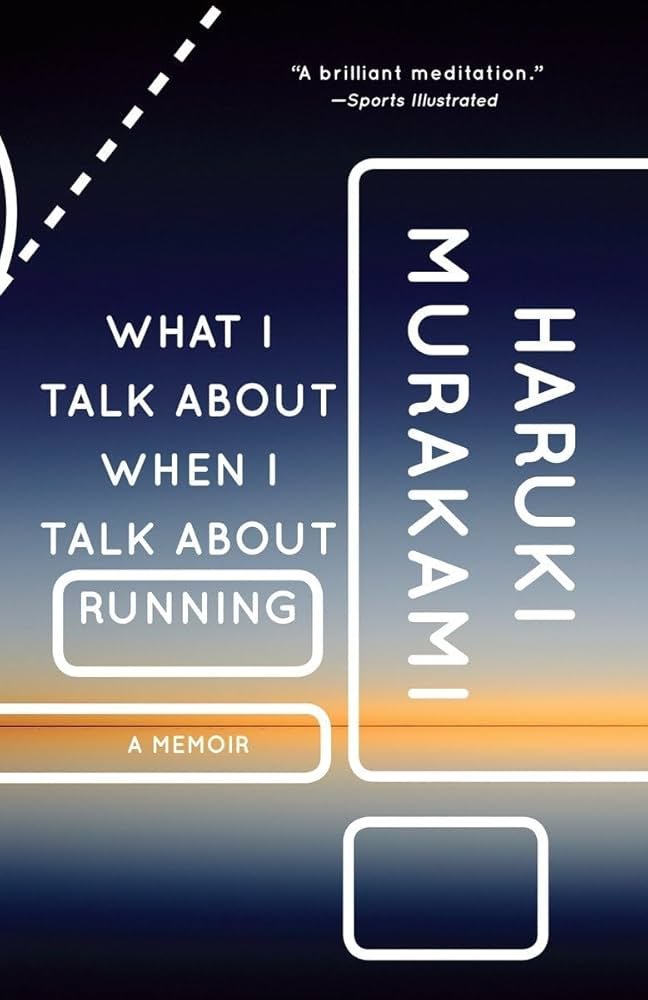
What I Talk About When I Talk About Running by Haruki Murakami
This book reads like a series of thoughts that drift in somewhere around mile eight. Murakami isn’t trying to convince you that running will save your life or make you better at parties. He’s interested in repetition. In boredom. In the quiet satisfaction of choosing the same difficult routine year after year. He talks honestly about aging, about bad races that still matter, and about the thin line between obsession and discipline. Running, for him, is not heroic. It’s necessary. This is a book for runners who understand that the real work happens when motivation is gone and habit is all that’s left.
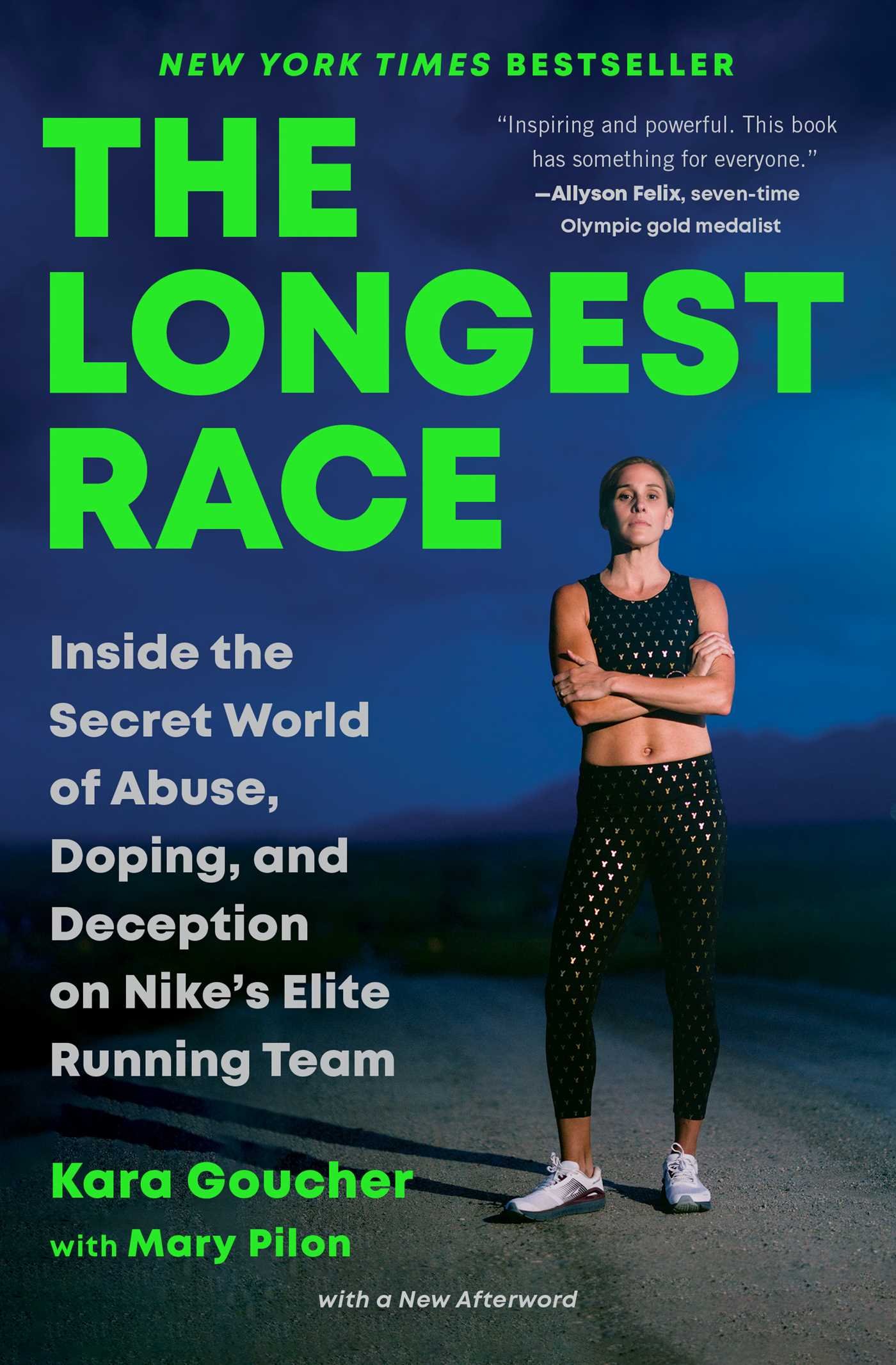
The Longest Race by Kara Goucher
This is one of the most important running books written in the last decade, and not because it’s inspiring. Goucher tells the story of her career in a way that refuses to smooth over the damage done by a system that prioritized winning at all costs. The book is tense, personal, and often unsettling. It forces you to confront uncomfortable questions about power, silence, and what we’re willing to excuse in the name of greatness. If you care about the future of the sport, especially for young athletes, this book stays with you long after the last page.
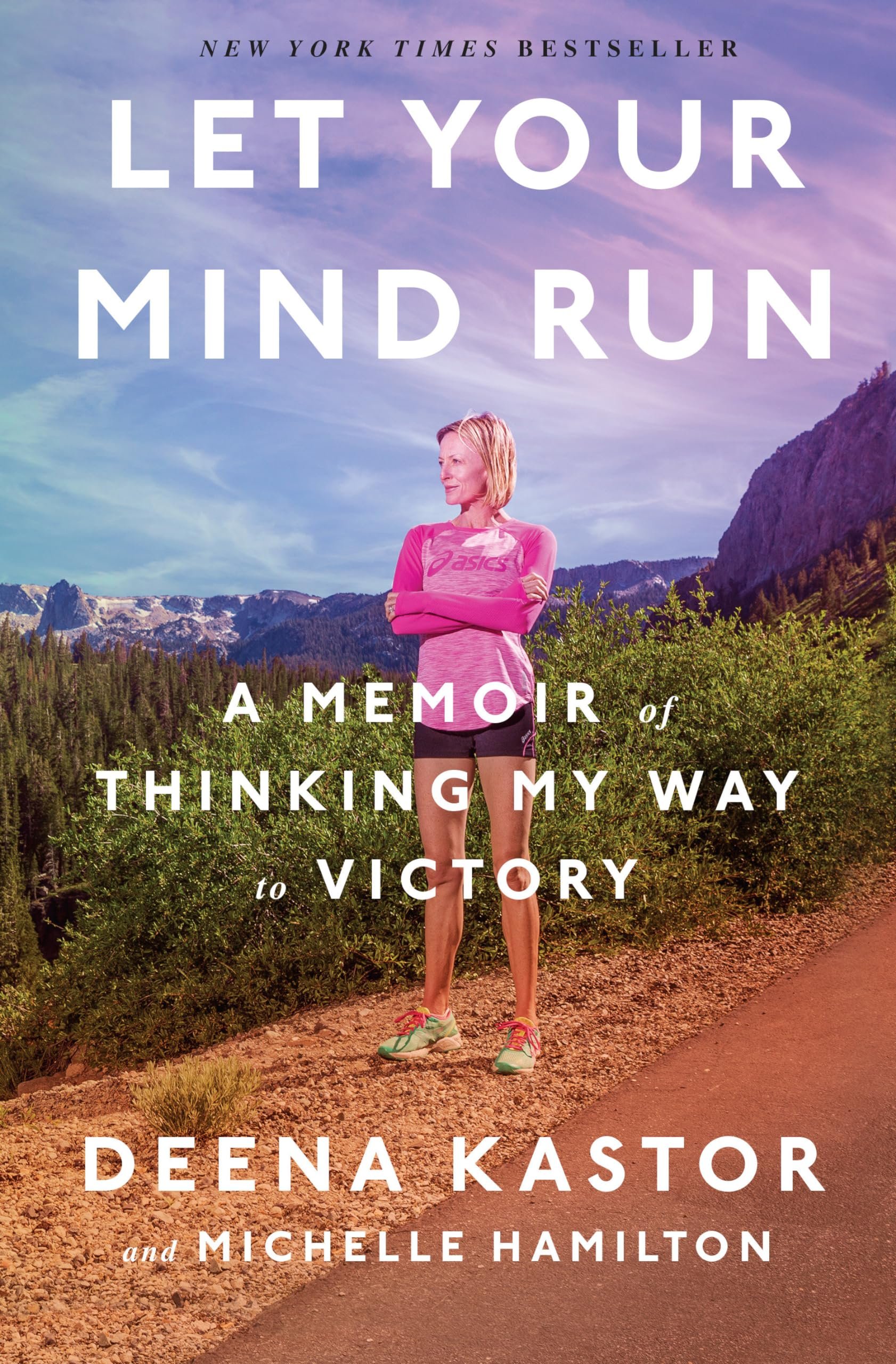
Let Your Mind Run by Deena Kastor
Kastor’s story is compelling because it doesn’t hinge on talent alone. It’s about a gradual shift in how she learned to think. How she replaced doubt with curiosity. How optimism became a skill she practiced, not a personality trait she was born with. She walks through races, injuries, and training cycles with a level of clarity that feels earned. This book doesn’t promise breakthroughs. It offers steadiness. You finish it feeling like running is a long conversation with yourself, and that you actually have more say in that conversation than you thought.
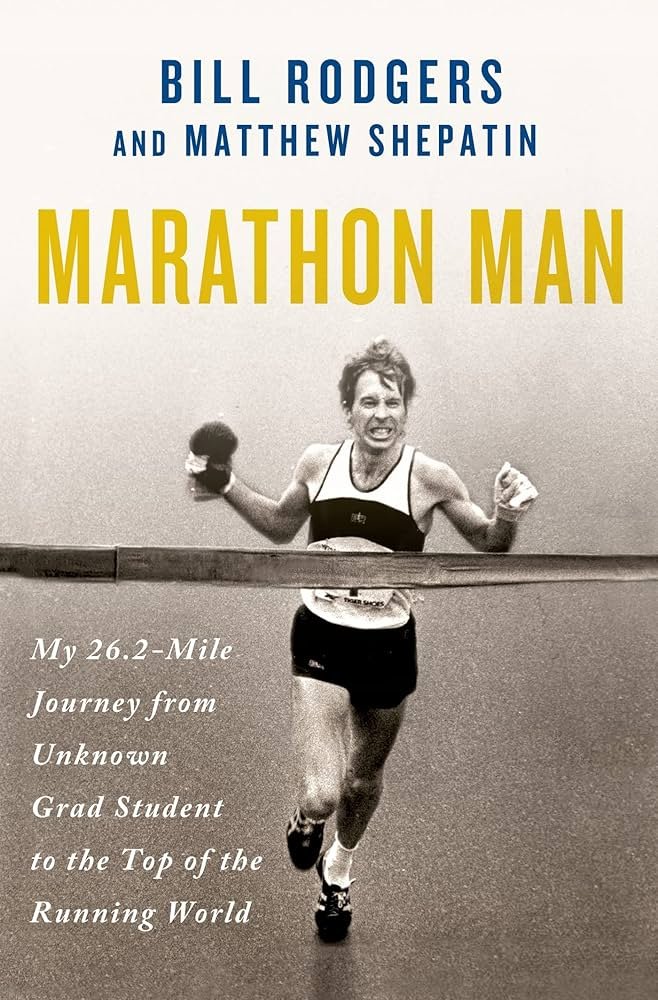
Marathon Man by Bill Rodgers
Reading this book feels like stepping into a version of running that existed before everything became quantified. Rodgers writes about racing hard, training harder, and loving the chaos of it all. There’s joy here, but also excess, insecurity, and the pressure of being known for one thing. The book is honest about the cost of obsession while never losing sight of how much fun running can be. It’s a reminder that the sport didn’t always revolve around optimization. Sometimes it was just about seeing how far you could go and what it would feel like when you got there.
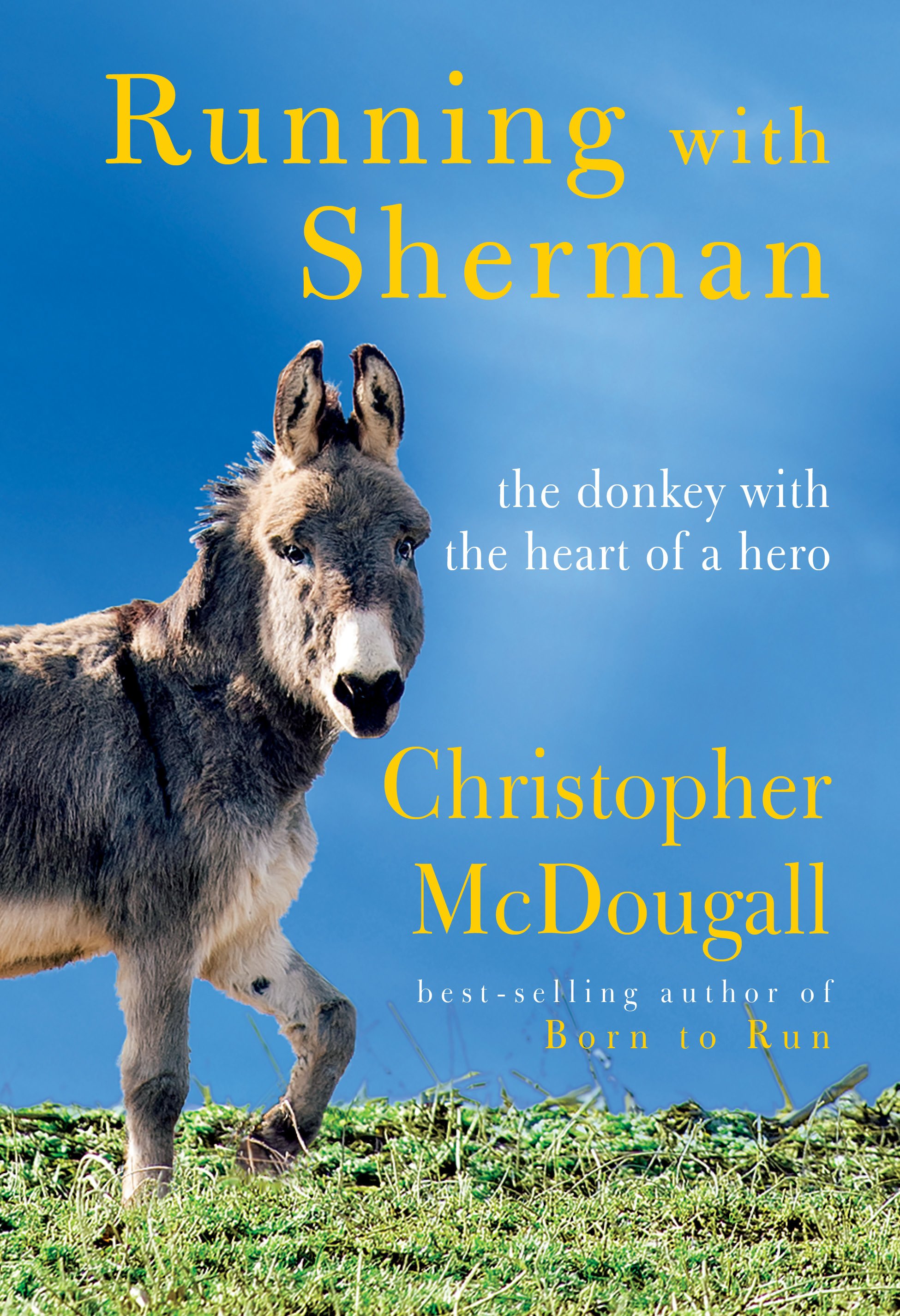
Running with Sherman: The Donkey with the Heart of a Hero by Christopher McDougall
This is the strangest book on the list, and maybe the most generous. McDougall weaves together a story about an injured donkey, a small town, and a group of people who find purpose through helping something broken get back on its feet. Running is present, but it’s not the point. The point is community. Play. Healing. It’s the kind of book you read when running starts to feel like a chore and you need to remember that movement can still be joyful and weird and deeply human.
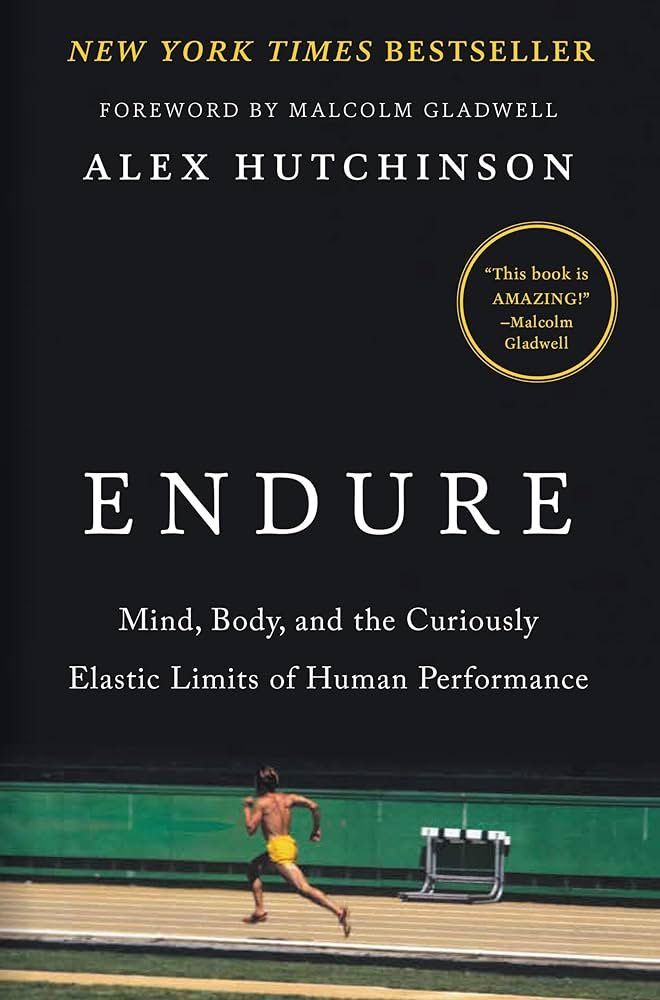
Endure by Alex Hutchinson
Hutchinson explores endurance with curiosity instead of bravado. He looks at pain, fatigue, and perceived limits through science, psychology, and real-world experience. What makes this book stand out is its restraint. It doesn’t promise secrets or hacks. It simply shows how much of endurance happens in the space between discomfort and decision. You come away with a better understanding of why you quit when you do, and why you sometimes surprise yourself by not quitting at all. It’s a book that changes how you interpret suffering without pretending suffering disappears.